

close

Auto

Auto

The Hidden Economics of Vehicle Care: How Wheel Alignment Singapore Price Affects Event Industry Logistics

Understanding wheel alignment Singapore price is crucial for event organisers who rely on vehicles for equipment transport, staff mobility, and vendor coordination across this densely populated city-state. In a country where 68% of residents don’t own cars yet 996,000 motor vehicles navigate crowded streets daily, the economics of automotive maintenance reveal deeper stories about urban inequality and professional survival.

Event management in Singapore operates within a complex web of logistical dependencies where seemingly minor automotive issues can cascade into major operational failures. The city-state’s unique combination of extreme population density, strict vehicle regulations, and demanding event schedules creates an environment where proper vehicle maintenance isn’t merely advisable—it’s essential for business survival. This reality becomes particularly acute for event professionals who often operate on razor-thin margins whilst managing multiple simultaneous projects across the island.

Industry Impact and Fleet Management Realities

For event companies managing multiple vehicles, the cumulative effect of alignment issues creates operational nightmares. A single misaligned vehicle can consume 15-20% more fuel, whilst uneven tyre wear patterns reduce replacement intervals from 40,000 kilometres to as little as 25,000 kilometres. These seemingly modest inefficiencies compound across fleets, creating hidden costs that often exceed monthly insurance premiums.

Fleet Size Impact on Annual Costs:

  • Single vehicle operations: $200-400 annual alignment expenses
  • Small fleets (3-5 vehicles): $800-1,500 maintenance budgets required
  • Medium operations (6-15 vehicles): $2,000-4,000 annual allocations
  • Large event companies (15+ vehicles): $5,000-10,000+ maintenance reserves

Singapore’s Certificate of Entitlement (COE) system means replacement vehicles cost significantly more than maintenance, making preventive care economically essential. Event organisers who understand this mathematics gain competitive advantages through more accurate project costing and reliable service delivery.

The Real Cost of Keeping Wheels Aligned

As of 2023, the average cost of a wheel alignment in Singapore typically costs anywhere from SGD 50 for a two-wheel alignment to SGD 150 or more for a full four-wheel alignment, depending on the provider. However, these base prices represent only the foundation of total ownership costs.

Current Pricing Structure:

  • Basic front-end alignment: $50-$70 (suitable for small delivery vehicles)
  • Four-wheel computerised alignment: $80-$120 (recommended for larger event trucks)
  • Premium service with diagnostics: $120-$150 (luxury vehicles and specialised equipment transporters)
  • Emergency after-hours service: $150-$200+ (when equipment must reach venues urgently)

The disparity in vehicle alignment pricing Singapore workshops offer reflects broader economic inequalities. Established businesses can afford preventive maintenance, whilst smaller event companies often defer expenses until mechanical problems force costly emergency repairs.

The Hidden Infrastructure of Event Success

Singapore’s 996,000 motor vehicles operate within roads that occupy 12% of our land area. This density creates unique pressures on vehicle maintenance:

  • Stop-and-go traffic: Constant acceleration and braking stress suspension systems
  • Sharp venue turns: Tight spaces accelerate wheel misalignment
  • Heavy equipment loads: Event transport demands increase mechanical wear
  • Time pressures: Rushed driving conditions exacerbate maintenance issues

Consider the mathematics: whilst a wheel balancing and alignment Singapore service costs $80-100, premature tyre replacement can exceed $400-600 per vehicle. For event companies operating modest fleets, this difference determines annual profitability.

Geographic and Technological Divides

Price Variations by Location:

  • Central Business District workshops: $100-$150 (convenience premium)
  • Industrial estate specialists: $50-$80 (competitive pricing)
  • Neighbourhood workshops: $60-$100 (moderate pricing)
  • 24-hour emergency services: $150-$250 (crisis pricing)

Technology Options:

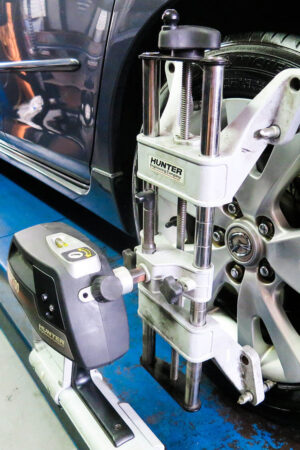
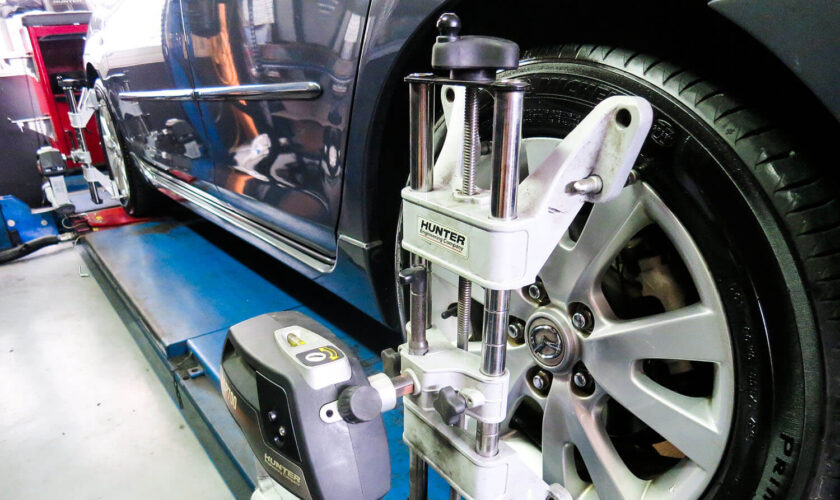
  • Hunter Hawkeye systems: Detailed diagnostics, 20-30% premium
  • Basic alignment equipment: Budget-friendly routine maintenance
  • Mobile alignment services: On-site convenience at premium rates
  • Package deals: Combined services for better value

Seasonal Economics and Worker Safety

Seasonal Pricing Fluctuations:

  • Peak season(September-December): 15-25% price increases
  • Chinese New Year: Limited availability, premium pricing
  • Regular season(March-August): Competitive pricing
  • Economic downturns: Aggressive discounting

Professional Vulnerability and Economic Dependencies

The event industry’s reliance on vehicle-dependent logistics creates unique vulnerabilities that extend beyond simple transportation costs. Event professionals—many operating as freelancers or small business owners—find themselves caught between client expectations for flawless execution and the unpredictable nature of automotive maintenance needs. This tension becomes particularly pronounced during Singapore’s peak event periods when vehicle availability and workshop capacity become critical constraints.

Insurance implications further complicate the maintenance equation. Singapore’s stringent liability requirements mean that poorly maintained vehicles can void coverage, leaving event organisers personally exposed to significant financial risks. Comprehensive maintenance records become essential documentation, not merely for operational efficiency but for legal protection in an increasingly litigious business environment.

Strategic Cost Management

Maintenance Scheduling:

  • Every 10,000 kilometres: Basic alignment checks
  • After impacts: Immediate pothole/kerb strike inspection
  • Seasonal preparations: Pre-event comprehensive maintenance
  • Package integration: Volume discounts through combined services

Vendor Relationships:

  • Annual contracts: Predictable fleet maintenance pricing
  • Emergency agreements: Guaranteed after-hours availability
  • Extended payment terms: Cash flow management support
  • Quality metrics: Performance standards protecting workers

Future Considerations

Singapore’s electric vehicle transition by 2040 affects maintenance strategies. Currently, 79% own conventional cars versus 5% electric, but this shift will create new cost structures and dependencies.

Emerging Trends:

  • Predictive maintenance: IoT early warning systems
  • Mobile services: Equipment brought to client locations
  • Integrated fleet management: Comprehensive care packages
  • Sustainable practices: Environmentally conscious maintenance

Conclusion: Beyond the Workshop Floor

The conversation about auto alignment service Singapore ultimately reflects deeper questions about economic fairness. Event organisers calculating maintenance budgets participate in Singapore’s broader economic ecosystem—one that rewards foresight and punishes desperation.

For event professionals committed to business success and ethical practice, comprehensive vehicle maintenance strategies represent investments in worker safety, operational reliability, and long-term sustainability. In Singapore’s competitive market, such attention often distinguishes thriving businesses from those merely surviving, making informed decisions about wheel alignment Singapore price a crucial component of responsible event management.

read more
Auto

Insure Your Car for the Right Value: Avoiding Underinsurance in a High-Inflation Year

In an economic environment marked by rapid inflation, ensuring your car is insured for the correct value has never been more important. Here’s how South African drivers can avoid the costly pitfall of underinsurance in 2025.

The Impact of Inflation on Car Values in 2025

Inflation is touching every corner of the economy — from fuel and groceries to car parts and repair services. For vehicle owners, this economic pressure translates into increased car values, especially for used vehicles. This is partly due to global supply chain disruptions and the rising costs of importing new cars and replacement parts.

What does this mean for your car insurance? If you haven’t recently updated your insured value, your policy may no longer reflect the true cost of replacing or repairing your vehicle. In short: you could be underinsured.

What Is Underinsurance and Why Does It Matter?

Underinsurance occurs when the insured amount on your policy is less than the actual market or replacement value of your car. In the event of a total loss or major claim, your insurer will only pay up to the insured value — leaving you to cover the shortfall.

Example:
If your car is worth R300,000 but insured for only R200,000, and it’s written off in an accident, you could be R100,000 out of pocket. That’s a hard lesson many South Africans are learning the expensive way in 2025.

Common Reasons Why People Are Underinsured

  1. Failure to Update the Policy Annually: Many policyholders don’t adjust their coverage as car values change.
  2. Incorrect Market Value Assumptions: Some base their insurance on purchase price, not current market value.
  3. Intentional Low Valuation to Reduce Premiums: While this may reduce your monthly premium, it poses a huge financial risk in the event of a claim.
  4. Neglecting Added Extras: Modifications, infotainment systems, or aftermarket accessories aren’t always included in base value assessments unless specified.

How to Reassess Your Vehicle’s Insured Value

To protect yourself from the pitfalls of underinsurance, follow these steps:

  1. Check Your Current Policy Documents

Locate your policy schedule and see what value your vehicle is currently insured for — is it retail value, market value, or trade-in value?

  1. Use Credible Valuation Tools

Make use of reputable car valuation tools like TransUnion’s Auto Dealer’s Guide, or consult dealerships for an updated retail value based on the make, model, mileage, and condition.

  1. Review Annually or More Frequently

Especially during high-inflation periods, a yearly review may not be enough. Consider checking your car’s value every 6 months to ensure accuracy.

  1. Include Extras

Ensure all modifications or extras are listed and valued in your policy — these can significantly impact repair or replacement costs.

Retail vs Market vs Trade-In Value: What Should You Choose?

Insurers typically offer you the choice of:

  • Retail value – The highest and safest value. It’s what it would cost to buy your car from a dealer.
  • Market value – Average between retail and trade-in. This is common but might leave a shortfall.
  • Trade-in value – Lowest value, not recommended for full coverage unless absolutely necessary.

For peace of mind in a volatile economy, retail value is strongly recommended.

How Pineapple Insurance Helps You Stay Covered at the Right Value

Pineapple Insurance takes a tech-savvy approach to help you avoid underinsurance. Their intuitive app allows policyholders to update their asset values in real time, ensuring coverage reflects current market trends. You’ll receive reminders to review your coverage — and thanks to transparent pricing and self-managed updates, it’s easy to keep your insurance in sync with your car’s actual worth.

Tips to Avoid Underinsurance Going Forward

  • Schedule a policy review date every 6 to 12 months.
  • Adjust your coverage whenever car values spike.
  • Avoid undervaluing your vehicle to save on premiums — it often backfires.
  • Ask your insurer if your policy automatically adjusts for inflation.

Final Thoughts

In 2025’s high-inflation environment, underinsurance can turn a frustrating situation into a financial disaster. Being proactive about reassessing your car’s insured value can protect your finances when it matters most. Take advantage of digital tools, talk to your insurer, and always aim to cover your car at its true retail value.

For South African drivers, staying informed is the first step to staying protected. A smart insurance strategy doesn’t just start with choosing a provider — it includes regular updates and ongoing engagement with your policy.

read more
Auto

Beyond the Warning Light: The Untold Story of Toyota Hybrid Battery Revival

In the landscape of automotive maintenance, few procedures reveal our complex relationship with technology more clearly than Toyota hybrid battery replacement—when the hidden power source suddenly announces its mortality through warning lights and diminished performance. Its failure forces a reckoning with the boundaries of our technical understanding and our position as users of systems we depend upon but rarely comprehend.

The Silent Partner in Mobility

What we call a hybrid battery represents an intricate energy management system—a collection of cells, cooling mechanisms, control boards, and sensors that perform the complex dance of capturing, storing, and deploying electricity. Key components include:

  • High-voltage cell arrays (NiMH or lithium-ion)
  • Thermal management systems to prevent overheating
  • Electronic control units managing charge/discharge cycles
  • Cell balancing circuits ensuring even energy distribution

“Most Toyota hybrid owners experience eight to ten years of reliable service before battery issues emerge,” explains Ms. Tan from Green Vehicle Specialists Singapore. “But this timeline varies based on driving patterns, climate conditions, and maintenance history.”

The evolution of Toyota’s hybrid battery technology tells a story of incremental refinement. The first-generation Prius utilized relatively primitive NiMH cells that, while revolutionary for their time, had limitations in energy density and thermal management. Each subsequent generation has introduced significant improvements in reliability and performance.

The Art of Battery Diagnostics

Between the warning light and replacement decision lies the sophisticated world of hybrid battery diagnostics. Common methods include:

  • Cell-by-cell voltage mapping to identify underperforming units
  • Thermal imaging to detect hot spots and cooling issues
  • Load testing under simulated driving conditions

“Each battery has its own unique fingerprint of degradation,” explains Dr. Hiroshi Nakamura, a Toyota hybrid systems specialist. “Using thermal imaging and voltage mapping, we can detect patterns that tell us which cells are underperforming and why.”

This forensic approach has spawned specialists equipped with proprietary diagnostic tools. “It becomes almost like reading a patient’s medical chart,” says Farah Zulkifli, who operates a specialized hybrid service center. “I can look at voltage patterns and immediately recognize certain driving habits that accelerate degradation.”

The Economics of Power and Renewal

There’s something revealing about our response to major repair costs—the calculations that occur when a central component requires significant investment. These moments force a reckoning with questions of value and longevity.

The considerations typically include:

  • Vehicle value weighed against replacement cost
  • Environmental implications of repair versus replacement
  • Expected additional lifespan gained through renewal
  • Regional factors affecting battery performance and longevity
  • Warranty considerations and dealership relationships

“What many Toyota owners don’t realize is that hybrid battery replacement isn’t necessarily an all-or-nothing proposition,” notes Mr. Lim from Hybrid Solutions. “Cell-level diagnostics often reveal that only specific modules have degraded.”

The rise of hybrid-specific service centers represents a significant shift in the automotive maintenance landscape. These specialized facilities have developed proprietary techniques and equipment specifically calibrated for Toyota’s hybrid systems. Some even offer “battery subscriptions”—a novel approach where customers pay monthly fees for guaranteed battery performance rather than one-time replacement costs.

Beyond Repair: The Afterlife of Energy Systems

What happens to hybrid batteries after removal reveals important truths about our waste management systems. These power sources begin new journeys invisible to their former owners.

“The most progressive approach involves creating second and third lives for Toyota battery components,” explains Dr. Wong from the Centre for Sustainable Technology. “Cells that can no longer meet vehicle demands might serve perfectly well for home energy storage.”

The reclamation process categorizes cells by remaining capacity. Those retaining 80% or more can be reconfigured for less demanding applications. Cells between 50-80% typically find purpose in stationary storage systems. Even heavily degraded cells contain valuable materials—particularly cobalt, nickel, and lithium—that specialized facilities can extract for reuse.

Singapore has emerged as a regional hub for hybrid battery recycling, with advanced facilities capable of processing thousands of units monthly. This infrastructure supports a circular economy approach that maximizes resource efficiency and minimizes environmental impact—a model being studied by other countries in the region.

The Future of Powered Mobility

As Toyota’s hybrid technology evolves, our relationship with these power sources will change. Emerging capabilities include:

  • Vehicle-to-grid functionality returning power to the electrical grid
  • Self-diagnostic systems predicting failure before it occurs
  • Integration with home solar and energy storage systems
  • Modular designs simplifying maintenance

“We’re moving toward vehicles that don’t merely contain batteries but function as mobile energy nodes,” observes Ms. Chen from Future Transport Solutions.

Perhaps most intriguing is Toyota’s research into self-healing battery technology. Drawing inspiration from biological systems, these experimental cells incorporate compounds that automatically deploy to repair degraded connections.

“The ultimate goal is batteries that maintain themselves much like living tissues,” explains Dr. Yamamoto, principal researcher at Toyota’s Advanced Energy Laboratory. “Rather than degrading linearly, these systems would maintain performance through constant regeneration.”

When your Toyota displays those battery warning signs, remember that your decision involves not just a repair but participation in evolving systems of energy and materials—systems made momentarily visible through Toyota hybrid battery replacement.

read more