
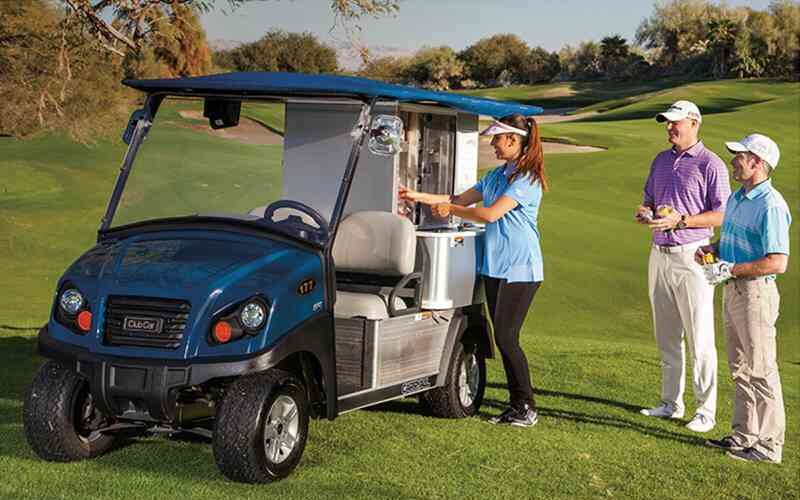
On any given afternoon at a premier golf course, the beverage cart is often the most welcomed sight for players navigating the back nine. While the primary purpose of these vehicles is to provide refreshments and snacks to golfers, they are also critical profit centers for the facility. For decades, electric carts were the industry standard, valued for their silent operation and perceived ease of use. However, a significant shift is occurring behind the scenes of the world’s most successful courses. More and more operators are retiring their electric fleets in favor of gas powered beverage cart for golf courses. This transition is driven by a need for greater reliability, increased power for challenging terrains, and the elimination of the downtime that often plagues battery-operated vehicles.
The Challenge of Consistent Power and Range
One of the most persistent issues with electric beverage carts is the limitation of battery life. A standard beverage cart is significantly heavier than a traditional two-person golf cart because it carries hundreds of pounds of ice, canned beverages, and snacks. This heavy payload puts an enormous strain on electric motors and battery packs. As the day progresses and the battery drains, an electric cart often experiences a noticeable drop in performance. By the late afternoon, when thirsty golfers are most likely to make a purchase, an electric cart may struggle to reach the furthest points of the course.
Gas-powered carts eliminate the “range anxiety” that comes with battery operation. A single tank of fuel can often power a beverage cart for several days of continuous use, whereas an electric model must be plugged in every night. If a gas cart runs low on fuel, it can be replenished in a matter of minutes at the maintenance shed, allowing it to return to the course immediately. This ensures that the cart is available during peak hours without the risk of a mid-day battery failure that could result in thousands of dollars in lost revenue over a busy weekend.
Navigating Demanding Terrains with Heavy Loads
Not every golf course is built on a flat coastal plain. Many of the most scenic and challenging courses are carved into hilly landscapes with significant elevation changes. For a beverage cart loaded with a full inventory of drinks and heavy ice chests, climbing a steep incline can be a grueling task. Electric carts, while possessing good initial torque, often lack the sustained horsepower required to navigate rugged terrain while fully loaded. This can lead to slower service times and increased wear on the electrical components.
Gas engines typically offer double or even triple the horsepower of their electric counterparts. This robust power output allows them to maintain a consistent speed regardless of the slope or the weight of the inventory. For course operators, this means the beverage service can move faster, covering more ground and reaching more golfers in less time. When the “cart girl” or “cart boy” can navigate the course with confidence and speed, the number of potential sales transactions increases significantly, directly impacting the bottom line of the food and beverage department.
Durability and Long-Term Maintenance Considerations
While it is a common perception that electric motors are easier to maintain because they have fewer moving parts, the reality of long-term fleet management often tells a different story. The lead-acid batteries traditionally used in electric carts require meticulous maintenance, including regular watering and cleaning to prevent corrosion. Even with perfect care, these batteries must be replaced every few years at a significant capital expense. Furthermore, the charging infrastructure required for a large fleet of electric carts can be expensive to install and maintain.
Gas-powered engines are familiar technology to any golf course maintenance crew. These small, internal combustion engines are remarkably durable and are designed for heavy-duty, commercial use. While they do require regular oil changes and filter replacements, these tasks are straightforward and inexpensive compared to the cost of a full battery-pack replacement. Additionally, gas carts tend to have a heartier drivetrain and chassis, built to withstand the rigors of hauling heavy loads over uneven ground for ten or more hours a day.
Conclusion
The beverage cart is the lifeblood of a golf course’s on-course hospitality, and its reliability is paramount to both guest satisfaction and financial success. While electric carts still have their place on smaller, flatter courses, the industry-wide trend toward gas-powered models reflects a move toward ruggedness and operational continuity. By choosing gas over electric, golf courses ensure that their refreshment services are never sidelined by a dead battery or a steep hill. This shift is ultimately about providing a better experience for the golfer, ensuring that a cold drink and a quick snack are never more than a few minutes away, no matter where they are on the links.