Understanding wheel alignment Singapore price is crucial for event organisers who rely on vehicles for equipment transport, staff mobility, and vendor coordination across this densely populated city-state. In a country where 68% of residents don’t own cars yet 996,000 motor vehicles navigate crowded streets daily, the economics of automotive maintenance reveal deeper stories about urban inequality and professional survival.
Event management in Singapore operates within a complex web of logistical dependencies where seemingly minor automotive issues can cascade into major operational failures. The city-state’s unique combination of extreme population density, strict vehicle regulations, and demanding event schedules creates an environment where proper vehicle maintenance isn’t merely advisable—it’s essential for business survival. This reality becomes particularly acute for event professionals who often operate on razor-thin margins whilst managing multiple simultaneous projects across the island.
Industry Impact and Fleet Management Realities
For event companies managing multiple vehicles, the cumulative effect of alignment issues creates operational nightmares. A single misaligned vehicle can consume 15-20% more fuel, whilst uneven tyre wear patterns reduce replacement intervals from 40,000 kilometres to as little as 25,000 kilometres. These seemingly modest inefficiencies compound across fleets, creating hidden costs that often exceed monthly insurance premiums.
Fleet Size Impact on Annual Costs:
- Single vehicle operations: $200-400 annual alignment expenses
- Small fleets (3-5 vehicles): $800-1,500 maintenance budgets required
- Medium operations (6-15 vehicles): $2,000-4,000 annual allocations
- Large event companies (15+ vehicles): $5,000-10,000+ maintenance reserves
Singapore’s Certificate of Entitlement (COE) system means replacement vehicles cost significantly more than maintenance, making preventive care economically essential. Event organisers who understand this mathematics gain competitive advantages through more accurate project costing and reliable service delivery.
The Real Cost of Keeping Wheels Aligned
As of 2023, the average cost of a wheel alignment in Singapore typically costs anywhere from SGD 50 for a two-wheel alignment to SGD 150 or more for a full four-wheel alignment, depending on the provider. However, these base prices represent only the foundation of total ownership costs.
Current Pricing Structure:
- Basic front-end alignment: $50-$70 (suitable for small delivery vehicles)
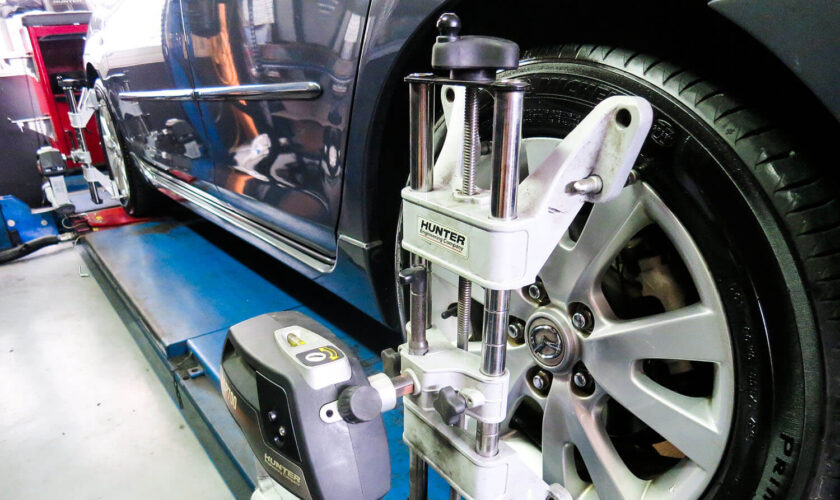
- Four-wheel computerised alignment: $80-$120 (recommended for larger event trucks)
- Premium service with diagnostics: $120-$150 (luxury vehicles and specialised equipment transporters)
- Emergency after-hours service: $150-$200+ (when equipment must reach venues urgently)
The disparity in vehicle alignment pricing Singapore workshops offer reflects broader economic inequalities. Established businesses can afford preventive maintenance, whilst smaller event companies often defer expenses until mechanical problems force costly emergency repairs.
The Hidden Infrastructure of Event Success
Singapore’s 996,000 motor vehicles operate within roads that occupy 12% of our land area. This density creates unique pressures on vehicle maintenance:
- Stop-and-go traffic: Constant acceleration and braking stress suspension systems
- Sharp venue turns: Tight spaces accelerate wheel misalignment
- Heavy equipment loads: Event transport demands increase mechanical wear
- Time pressures: Rushed driving conditions exacerbate maintenance issues
Consider the mathematics: whilst a wheel balancing and alignment Singapore service costs $80-100, premature tyre replacement can exceed $400-600 per vehicle. For event companies operating modest fleets, this difference determines annual profitability.
Geographic and Technological Divides
Price Variations by Location:
- Central Business District workshops: $100-$150 (convenience premium)
- Industrial estate specialists: $50-$80 (competitive pricing)
- Neighbourhood workshops: $60-$100 (moderate pricing)
- 24-hour emergency services: $150-$250 (crisis pricing)
Technology Options:
- Hunter Hawkeye systems: Detailed diagnostics, 20-30% premium
- Basic alignment equipment: Budget-friendly routine maintenance
- Mobile alignment services: On-site convenience at premium rates
- Package deals: Combined services for better value
Seasonal Economics and Worker Safety
Seasonal Pricing Fluctuations:
- Peak season(September-December): 15-25% price increases
- Chinese New Year: Limited availability, premium pricing
- Regular season(March-August): Competitive pricing
- Economic downturns: Aggressive discounting
Professional Vulnerability and Economic Dependencies
The event industry’s reliance on vehicle-dependent logistics creates unique vulnerabilities that extend beyond simple transportation costs. Event professionals—many operating as freelancers or small business owners—find themselves caught between client expectations for flawless execution and the unpredictable nature of automotive maintenance needs. This tension becomes particularly pronounced during Singapore’s peak event periods when vehicle availability and workshop capacity become critical constraints.
Insurance implications further complicate the maintenance equation. Singapore’s stringent liability requirements mean that poorly maintained vehicles can void coverage, leaving event organisers personally exposed to significant financial risks. Comprehensive maintenance records become essential documentation, not merely for operational efficiency but for legal protection in an increasingly litigious business environment.
Strategic Cost Management
Maintenance Scheduling:
- Every 10,000 kilometres: Basic alignment checks
- After impacts: Immediate pothole/kerb strike inspection
- Seasonal preparations: Pre-event comprehensive maintenance
- Package integration: Volume discounts through combined services
Vendor Relationships:
- Annual contracts: Predictable fleet maintenance pricing
- Emergency agreements: Guaranteed after-hours availability
- Extended payment terms: Cash flow management support
- Quality metrics: Performance standards protecting workers
Future Considerations
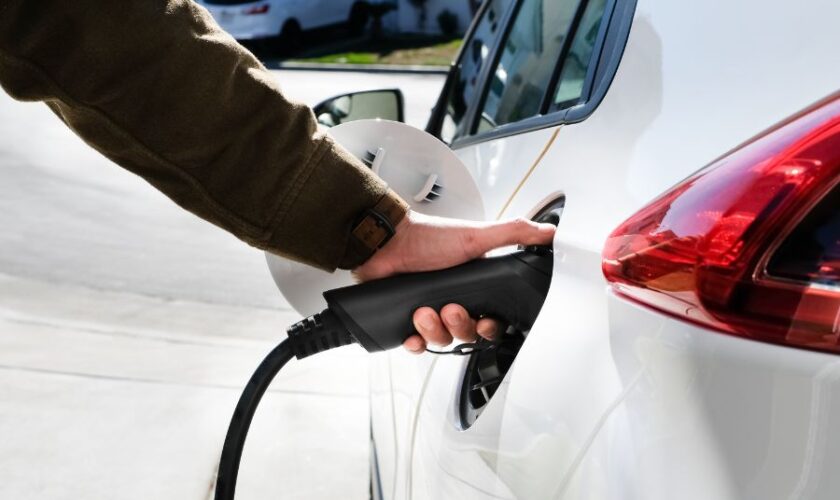
Singapore’s electric vehicle transition by 2040 affects maintenance strategies. Currently, 79% own conventional cars versus 5% electric, but this shift will create new cost structures and dependencies.
Emerging Trends:
- Predictive maintenance: IoT early warning systems
- Mobile services: Equipment brought to client locations
- Integrated fleet management: Comprehensive care packages
- Sustainable practices: Environmentally conscious maintenance
Conclusion: Beyond the Workshop Floor
The conversation about auto alignment service Singapore ultimately reflects deeper questions about economic fairness. Event organisers calculating maintenance budgets participate in Singapore’s broader economic ecosystem—one that rewards foresight and punishes desperation.
For event professionals committed to business success and ethical practice, comprehensive vehicle maintenance strategies represent investments in worker safety, operational reliability, and long-term sustainability. In Singapore’s competitive market, such attention often distinguishes thriving businesses from those merely surviving, making informed decisions about wheel alignment Singapore price a crucial component of responsible event management.