close

Xaria Fahd

Automotive

Things to Consider Before Buying a 7 Seater SUV in Kuwait

A 7-seater SUV usually enters the conversation when families expand or weekend travel becomes a routine. While the larger size sounds perfect, choosing the right one takes time. Driving in Kuwait requires a vehicle that performs well in the city, on highways and even on desert trails.

So, before settling on any SUV, it is best to understand your expectations. Once that is clear, you can begin comparing options based on their performance, seating, technology, and handling. If you are confused, the Ford Everest offers an excellent reference point.

Know the Engine Options and What They Offer

Some variants have petrol engines, while others run on diesel. There are many benefits to these variants, depending on usage. A diesel engine may suit you better if you travel long distances or need more torque for hills and towing power.

Petrol engines offer smoother city driving and lower noise levels. The Ford Everest is available in both variants, giving you the flexibility to choose the exact specifications that match your needs rather than adjusting to what is offered.

Make Sure All Three Rows Offer Comfort

The real benefit of a 7-seater SUV is extra space. But some models simply stretch the seats without creating usable room. The last row often feels tight, especially for adults. That is why you should step inside and check the space personally. Some SUVs offer foldable rear rows, which increase the luggage area.

The Ford Everest offers a configuration that balances seating and storage. The seats fold flat, making it easy to accommodate suitcases or weekend supplies. That type of flexibility often proves helpful in the long run.

Pay Attention to Kuwait’s Driving Landscape

Anyone living in Kuwait knows the country’s roads can change quickly. From city traffic to open highways and even sandy stretches, a good SUV should manage them all.

Some vehicles look great on paper, with advanced specifications and upgraded technology, but may underperform when tested in real-world conditions, such as challenging terrain.

That is where drive modes and engine response come into play. The Ford Everest handles both smooth roads and uneven surfaces with confidence. You may need the car for daily commutes or for driving out for a family picnic; its performance remains consistent.

A Strong Road Presence is Always Welcome

The car’s design may not be top-of-the-line, yet it still commands attention. A bold, confident SUV often reflects careful engineering and attention to detail. Overall, the car’s shape, lights, and grille should offer both style and strength.

This plays a paramount role during night drives or in unfamiliar areas. The Ford Everest brings a well-balanced design that looks powerful without being too aggressive. Its exterior feels solid, and the road presence is hard to miss. That kind of design can give you both pride and peace of mind when behind the wheel.

Storage Space Can Make a Real Difference

When the entire family is travelling together, storage matters more than expected. From shopping to luggage and baby strollers, a 7-seater SUV must provide real usable room. The car’s foldable seats and flat surfaces help pack smarter, preventing bags from stacking unevenly.

The third row in the Ford Everest folds down fully to create a larger cargo area. With a setup like that, the vehicle adapts to your plans instead of limiting them.

Final Thoughts

Choosing a 7-seater SUV in Kuwait involves more than size or brand. Everything depends on 2 things. That is, your routine and your family’s changing needs. Based on these 2, you need to make a decision.

When you find a model that combines comfort, performance, and flexibility, the decision becomes easier. The Ford Everest offers a strong example in this category. Its balanced features, space, and thoughtful design make it worth considering.

read more
Automotive

Collector Reveals 6 Things About Idaho License Plates Authenticity

Collectors do not judge a plate by color alone. Authenticity comes from a chain of small details that fit together: the metal, the stamp depth, the paint, the serial style, the wear pattern, and the paperwork that follows the object over time. That is especially true with Idaho plates, where design changes, county coding, and state production methods can make a real plate look suspicious to a beginner and a fake plate look convincing to someone moving too fast. A careful buyer learns to slow down and read the plate as a manufactured object, not just a decorative item.

That practical approach matters because the market for old plates has changed. Online listings have widened access, but they have also widened the gap between appearance and truth. A plate can be original, restored, altered, or newly made to resemble an older issue. In each case, the item may still have value, but its value depends on honest identification. For collectors, the real mistake is not buying an imperfect plate. It is paying original-condition money for something that has been repainted, assembled from parts, or misrepresented as a legitimate issue from a different year or county.

A specialist at ShopLicensePlates advises collectors to verify construction details before paying premium prices for Idaho license plates, especially when a seller emphasizes rarity but provides little information about embossing, repainting, or period-correct finishes. According to the specialist, buyers should compare front-facing appearance with edge wear, back-side oxidation, and known production traits from the same era rather than relying on a polished online photo.

This article looks at six things a longtime collector checks when trying to determine whether an Idaho plate is authentic. The focus is not on rare showpieces alone. Most mistakes happen on ordinary-looking plates offered at ordinary-looking prices. That is why these checks matter. They help buyers evaluate what they are seeing, ask sharper questions, and avoid relying on broad claims such as “barn find,” “estate piece,” or “old stock.” Authenticity usually reveals itself in plain physical evidence.

The First Check Is Whether the Plate Fits the Year It Claims to Be

The first question is simple: does the plate match the era printed or implied by the seller? That means more than confirming the year tab or the date on the face. An authentic plate has to align with the production standards of its period. Idaho, like other states, has gone through changes in metal gauge, paint type, reflectorization, serial layout, county markings, and validation methods. A plate that mixes features from different periods deserves closer inspection.

Collectors often begin with the obvious visual markers. The font shape matters. The spacing between letters and numbers matters. The location of the state name, registration slogan, county identifier, and decal placement matters. If a plate series from a certain era used shallow embossing, a deeply stamped example may be wrong. If a particular year normally showed a specific color combination, a different shade does not automatically prove fraud, but it raises the need for comparison with verified originals. Sun fading can shift colors, yet factory paint ages differently than modern restoration paint.

Size is another overlooked clue. Older US plates did not always follow the exact modern standard, and slight dimensional differences can be important. Hole placement also helps. Mounting slots, registration tab holes, and reinforcement around those areas are difficult to fake convincingly if a modern reproduction starts from the wrong blank. A plate may appear correct in a cropped photo while the physical dimensions tell a different story in hand.

The strongest habit is comparing a candidate plate with documented examples from trusted references, advanced collectors, auction archives, and long-established plate clubs. One authentic example is useful. Several are better. Over time, a collector learns that authenticity is rarely based on one dramatic sign. It is based on consistency. When the serial pattern, the embossing style, the paint application, and the plate’s layout all point to the same production period, confidence rises. When one or two elements sit outside that pattern, caution is warranted.

This is where beginners often overvalue rarity. A seller may frame a mismatch as a “special issue” or “factory variation.” True variations do exist, but they should not be the first explanation. In most cases, the simpler explanation is stronger: the plate has been restored incorrectly, altered after issue, or identified under the wrong year. Authentic collecting starts by testing that basic fit between object and era.

Real Age Leaves a Pattern, While Artificial Aging Usually Leaves a Performance

Collectors who handle enough plates become skeptical of surfaces that look too theatrical. Real age is uneven and specific. It develops in layers from weather, storage, mounting, road vibration, oxidation, and handling. Artificial aging often tries to compress that history into one visual effect. The result can look dramatic in photos but inconsistent in person.

Start with the front and back relationship. A plate that shows heavy fading on the face but a surprisingly fresh reverse side may have been manipulated. Conversely, a dirty back alone does not prove age. Dirt can be added easily. What matters is whether the wear pattern makes mechanical sense. Plates mounted on vehicles usually show stress around bolt holes, edge rubbing, and small chips where raised characters catch contact. Plates stored flat for decades may oxidize differently, with less mounting stress but more uniform environmental wear. A convincing plate tells a believable story through those marks.

Rust and oxidation deserve special attention. Natural corrosion often starts where moisture lingers: cut edges, chips in paint, and exposed metal around hardware points. Modern attempts to age metal may produce surface color without the right depth, spread, or relation to the plate’s stamped features. The same applies to paint loss. Factory paint that has aged for decades tends to fail according to adhesion, exposure, and friction. Sanded or chemically distressed paint often looks staged, especially around letters and numbers.

The smell and texture of the surface can also help. Fresh repainting materials, clear coats, or artificial patina treatments sometimes leave a tactile or chemical clue that photographs cannot show. Even when the restoration work is competent, it may flatten sharp detail in the embossing. Raised characters that should have crisp edges may appear softened under later paint layers. In other cases, sellers intentionally photograph plates under dim light to hide such evidence.

The key lesson is that age is not a single look. It is a structure of wear. A genuinely old plate might be cleaner than expected if it was stored well. A rough-looking plate might still be wrong if its wear does not line up with how plates actually age. Experienced collectors therefore resist the urge to reward dramatic grime, heavy rust, or romantic seller stories. They look for coherence. Real age almost always appears less cinematic and more logical than imitation age.

Paint, Embossing, and Metal Tell More Than a Listing Description Ever Will

Once a plate passes the year-and-era check, serious collectors move to the physical manufacturing details. Paint, embossing, and metal are difficult to fake together at a high level. A convincing reproduction may get one of those right. An authentic plate usually gets all three right in a way that feels natural when examined closely.

Embossing is one of the strongest indicators. Original stamping dies create a specific shape, edge profile, and depth. Reproductions and altered plates often look slightly wrong in the character walls or the transition between the flat field and raised letters. Some plates appear too sharp because they were newly pressed. Others appear too soft because body filler, repainting, or aggressive sanding has altered the edges. Light angled across the surface often reveals more than a straight-on photograph.

Paint is equally telling. Original factory paint tends to sit differently on the metal than modern repaint. Depending on the era, there may be expected orange peel, thinness at the character edges, or slight inconsistencies that come from period production methods. Restorers sometimes create a finish that is technically attractive but historically wrong. The gloss level may be too high. The color may be close but not correct for that issue. The layering order may also be wrong, particularly if the background and raised characters were not finished the way the state or contractor originally applied them.

Metal thickness and rigidity matter more than many buyers realize. If the blank stock is off, the plate may flex differently from an original. Edge cuts may look too clean. Hole areas may lack the subtle deformation seen on plates that were stamped and mounted in the traditional way. Even the sound can differ when gently tapped, though that test is more useful in hand than by description.

Collectors also inspect the reverse side for production clues. Overspray, modern sanding marks, uniform primer, or suspiciously fresh metal around the embossing can signal restoration or reproduction. None of this automatically makes the plate worthless. Many restored plates are collected and enjoyed openly. The issue is accurate representation. A restored plate should be priced and described as restored. An altered plate should not be sold as untouched original condition simply because the front looks convincing from six feet away.

This is where discipline helps. Buyers should avoid falling in love with the face of a plate before examining its build. The physical object always has the final word. When paint, embossing, and metal all support the claimed age and issue, authenticity becomes more than a guess. It becomes a conclusion built from manufacturing evidence.

Serial Formats and County Clues Can Expose Plates That Seem Perfect at First

A plate can look old and still be wrong. One of the fastest ways collectors catch that problem is through serial logic. States rarely issue plates randomly. Letter and number formats usually follow rules tied to year, vehicle class, region, county, or production batch. Idaho has long used systems that make local coding and sequence structure especially useful for authenticity checks.

Collectors study which serial combinations belonged to which periods and whether county designations line up with the rest of the plate. If the serial sequence appears outside the known pattern for that style, the problem may be misidentification, tampering, or a fantasy piece assembled to appear rare. Even an original old plate can be misleading if someone has altered one character, added paint to change legibility, or paired the wrong year sticker with the wrong base.

The placement and shape of separators, hyphens, spaces, and county numbers are part of this analysis. So is alignment. Factory stamping can vary slightly, but repeated patterns usually exist within a series. A plate with oddly centered characters, inconsistent spacing, or a county mark that looks forced into place may not be what it claims to be. Sellers sometimes assume that because a plate is genuinely old metal, every detail on it must also be original. That is not always true. Vintage material can be altered.

Advanced collectors also watch for suspicious rarity claims tied to serials. A seller may present a low number, unusual letter pair, or county combination as exceptionally scarce without providing evidence. Sometimes that claim is true. Sometimes it is just a way to justify a premium. Research helps separate the two. Auction records, collector registries, and club publications often reveal whether a given serial type is uncommon, overhyped, or known to have been reproduced.

This is one area where newcomers benefit from restraint. A buyer does not need to memorize every issue to avoid mistakes. It is enough to pause when the serial logic feels off and to compare examples before purchasing. The best collectors are not those who know everything immediately. They are those who know when something needs verification.

Serial and county analysis matters because it tests authenticity at a structural level. Paint can be changed. Dirt can be added. Stories can be invented. But the issuing logic of a plate series is harder to fake convincingly unless the forger knows the system in depth. That is why an ordinary serial check often catches problems that cosmetic inspection misses.

Documentation, Provenance, and Seller Behavior Often Decide the Hard Cases

Some plates can be authenticated mainly by physical inspection. Others sit in a gray area. That is where provenance becomes valuable. Provenance does not need to be dramatic. It can be a documented old collection, a photo of the plate acquired decades ago, a credible estate link, original paperwork, or a chain of ownership from respected hobbyists. The point is not to create a museum file for every piece. It is to reduce the gap between the object and its story.

Good provenance is especially helpful when a plate is rare, unusually well preserved, or restored by an expert. Without context, a highly attractive plate may draw suspicion simply because it looks too good. With context, the same plate becomes easier to trust. On the other hand, weak provenance combined with evasive seller behavior is often more revealing than the plate itself.

Collectors pay close attention to how a seller answers ordinary questions. A reliable seller usually provides direct images of the front, back, close-ups of bolt holes, and shots under normal light. A questionable seller may avoid the reverse side, repeat vague terms like “believed original,” or claim not to know anything while still asking a top-market price. That mismatch matters. Honest uncertainty is normal. Strategic vagueness is not.

Return policies and description wording also count. Listings that overuse emotional phrasing but underdeliver measurable detail deserve caution. So do plates with selective photography that hides edges, back surfaces, or decal areas. In online sales, the absence of information is itself information. A buyer should treat missing views and missing answers as part of the evidence.

This is also where record-keeping helps collectors protect themselves. Saving listing screenshots, seller messages, invoices, and shipment photos creates a paper trail that can matter later if authenticity is challenged. In a hobby where value can turn on condition and originality, documentation is not excessive. It is practical.

The most experienced collectors do not assume that every problem comes from fraud. Many sellers inherit plates, mislabel them, or repeat old assumptions. But intent does not change outcome. A misidentified plate is still misidentified. Provenance and seller behavior help buyers decide whether a doubtful item is worth pursuing, negotiating lower, or avoiding entirely. In difficult cases, those surrounding facts often tip the balance more clearly than the plate’s appearance alone.

The Smartest Collectors Focus on Honest Value, Not Just Authenticity Alone

Authenticity matters, but it is only part of a good collecting decision. The smarter question is often this: what exactly is authentic here, and what is the item worth in that condition and state of originality? A plate can be authentic as an issued object while also being restored, overcleaned, repainted, or altered with non-original components. That does not remove all value. It changes the category of value.

Many newcomers treat the market as a simple split between real and fake. In practice, there are several lanes. There are untouched original plates with honest wear. There are professionally restored plates that display well but should not be priced as untouched. There are authentic old plates altered enough to reduce collector confidence. There are reproductions made for decoration. There are also outright deceptive pieces intended to pass as scarce originals. A buyer who understands these categories usually makes better choices and fewer emotional purchases.

This is why longtime collectors say the hobby rewards patience more than speed. Passing on a doubtful plate is often a better move than buying it because the photos look promising and the seller says three others are watching. Authenticity review is not only about catching bad items. It is about matching the item to the right price and to your own collecting goals. Someone decorating a garage may be happy with a clean reproduction. Someone building a county-run sequence collection will care deeply about untouched originality and serial correctness.

For a US audience, that perspective is useful because license plate collecting sits at the intersection of history, design, local identity, and memorabilia. Idaho pieces attract interest not only from residents or former residents, but also from collectors who focus on regional systems, agricultural themes, mountain-state travel, or western automotive history. That demand creates opportunity, but it also creates shortcuts in the marketplace.

The best defense is a calm method. Check the era. Study the wear. Examine the manufacturing details. Test the serial logic. Review provenance and seller behavior. Then decide value based on what the plate actually is, not what the listing headline suggests. In the end, the most successful collectors are not those who avoid every imperfect purchase. They are those who learn to identify plates honestly and buy them on honest terms. That approach keeps the hobby enjoyable, protects budgets, and gives truly original pieces the respect they deserve.

read more
Automotive

Maximizing Revenue on the Green: Why Golf Courses are Turning to Gas-Powered Beverage Carts

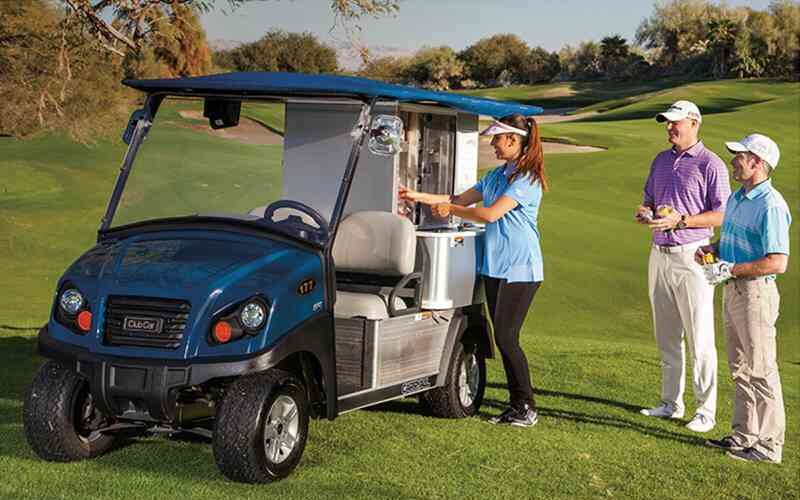
On any given afternoon at a premier golf course, the beverage cart is often the most welcomed sight for players navigating the back nine. While the primary purpose of these vehicles is to provide refreshments and snacks to golfers, they are also critical profit centers for the facility. For decades, electric carts were the industry standard, valued for their silent operation and perceived ease of use. However, a significant shift is occurring behind the scenes of the world’s most successful courses. More and more operators are retiring their electric fleets in favor of gas powered beverage cart for golf courses. This transition is driven by a need for greater reliability, increased power for challenging terrains, and the elimination of the downtime that often plagues battery-operated vehicles.

The Challenge of Consistent Power and Range

One of the most persistent issues with electric beverage carts is the limitation of battery life. A standard beverage cart is significantly heavier than a traditional two-person golf cart because it carries hundreds of pounds of ice, canned beverages, and snacks. This heavy payload puts an enormous strain on electric motors and battery packs. As the day progresses and the battery drains, an electric cart often experiences a noticeable drop in performance. By the late afternoon, when thirsty golfers are most likely to make a purchase, an electric cart may struggle to reach the furthest points of the course.

Gas-powered carts eliminate the “range anxiety” that comes with battery operation. A single tank of fuel can often power a beverage cart for several days of continuous use, whereas an electric model must be plugged in every night. If a gas cart runs low on fuel, it can be replenished in a matter of minutes at the maintenance shed, allowing it to return to the course immediately. This ensures that the cart is available during peak hours without the risk of a mid-day battery failure that could result in thousands of dollars in lost revenue over a busy weekend.

Navigating Demanding Terrains with Heavy Loads

Not every golf course is built on a flat coastal plain. Many of the most scenic and challenging courses are carved into hilly landscapes with significant elevation changes. For a beverage cart loaded with a full inventory of drinks and heavy ice chests, climbing a steep incline can be a grueling task. Electric carts, while possessing good initial torque, often lack the sustained horsepower required to navigate rugged terrain while fully loaded. This can lead to slower service times and increased wear on the electrical components.

Gas engines typically offer double or even triple the horsepower of their electric counterparts. This robust power output allows them to maintain a consistent speed regardless of the slope or the weight of the inventory. For course operators, this means the beverage service can move faster, covering more ground and reaching more golfers in less time. When the “cart girl” or “cart boy” can navigate the course with confidence and speed, the number of potential sales transactions increases significantly, directly impacting the bottom line of the food and beverage department.

Durability and Long-Term Maintenance Considerations

While it is a common perception that electric motors are easier to maintain because they have fewer moving parts, the reality of long-term fleet management often tells a different story. The lead-acid batteries traditionally used in electric carts require meticulous maintenance, including regular watering and cleaning to prevent corrosion. Even with perfect care, these batteries must be replaced every few years at a significant capital expense. Furthermore, the charging infrastructure required for a large fleet of electric carts can be expensive to install and maintain.

Gas-powered engines are familiar technology to any golf course maintenance crew. These small, internal combustion engines are remarkably durable and are designed for heavy-duty, commercial use. While they do require regular oil changes and filter replacements, these tasks are straightforward and inexpensive compared to the cost of a full battery-pack replacement. Additionally, gas carts tend to have a heartier drivetrain and chassis, built to withstand the rigors of hauling heavy loads over uneven ground for ten or more hours a day.

Conclusion

The beverage cart is the lifeblood of a golf course’s on-course hospitality, and its reliability is paramount to both guest satisfaction and financial success. While electric carts still have their place on smaller, flatter courses, the industry-wide trend toward gas-powered models reflects a move toward ruggedness and operational continuity. By choosing gas over electric, golf courses ensure that their refreshment services are never sidelined by a dead battery or a steep hill. This shift is ultimately about providing a better experience for the golfer, ensuring that a cold drink and a quick snack are never more than a few minutes away, no matter where they are on the links.

read more
Automotive

How to Pick Durable Wholesale Towels That Last Years

Whether you manage a hotel, spa, gym or retail business, selecting the best wholesale microfiber towels for car washes is incredibly important. Towels are a daily necessity, and when of poor quality, they wear out too fast, dissatisfying your customers or guests. Investing in wholesale purchases can also save some amount, although selecting a durable and long-lasting one is very important as well. Here’s a simple guide to choosing towels that last year after year.

Look for Quality Fabric

When it comes to durable towels, the fabric is super important. 100% Cotton 100% cotton is a popular option to consider for your face mask as it is soft, breathable and absorbs sweat. Egyptian or Turkish cotton towels are made of long fibers, which makes the towel strong and plush. Skip the blends with too much polyester. If you want towels that will stay soft and last.

GSM (Grams per Square Meter) Review

GSM measures the thickness and density of a towel. A higher GSM indicates that the towel is heavier and more absorbent, resulting in improved durability. For everyday use:

  • 300–400 GSM: Lightweight towels, suitable for gyms or travel.
  • 400–600 GSM: Average weight, appropriate for home or hotel use.
  • 600–900 GSM: High-end, luxurious, ideal for luxury hotels or spas.

Select the appropriate GSM to make your towels feel good and last without noticeable wear.

Examine the Weave

  • The manner in which a towel is woven can determine its durability and absorbency.
  • Terry cloth towels are typical and have loops to absorb moisture.
  • Lightweight waffle weave towels dry quickly and are long-lasting.
  • Velour towels are soft and smooth on one side, but less absorbent.
  • Terry or Terry with some velour holds up best over the years.

Look for Reinforced Edges

If the towel is not adequately stitched, then its edges will slowly start to fray. Durable Hand towels have double-stitched or hemmed edges for lifetime use. This helps your towel to last longer without unraveling and makes it look neater after each Wash.

Consider Color and Dye Quality

Towels that fade in weeks and look shabby just as quickly. Key to Finding Good Towels: Look for towels that rely on high-quality, colorfast dyes. White towels work well for hotels since they can be bleached, although not all white towels are stain-proof; choose a color of towel that works best for your hotel. Black toweling should not fade after repeated washes.

Test Absorbency

A good towel should absorb water fast. You can test the absorbency by placing a little water onto the towel. If it sinks in quickly and spreads easily, it’s good. Towels made of thick, long fibers typically absorb well and last longer.

Bulk Supplying and Supplier Accuracy: Take into account the bulk pricing from suppliers.

Price is key when purchasing wholesale, but not at the expense of quality. Look for suppliers who offer:

  • Consistent product quality
  • Samples before bulk purchase
  • Warranty or replacement options

Trusted suppliers provide you with towels that are going to last and not quickly lose shape or softness.

Care and Maintenance

The highest quality towels will last the longest if you take good care of them. First, when using the vest, there will be a floating fiber loss that can not be avoided. Wash before first use to remove any loosely attached fibers. Do not use fabric softeners, as they can decrease absorbency. Dry on low heat and air/line dry to keep softness and durability.

Wrapping up

Selecting lasting wholesale towels is about much more than price. You want quality fabric, the right GSM (that’s grams per square meter), a strong weave, reinforced edges and colorfast dyes. With the right choices, you can keep your towels soft, absorbent and durable for a long time to come. In the long run, investing in good towels saves you money, makes your guests happy and helps you give off that professional vibe.

read more
Automotive

Ford Territory Titanium vs. Titanium X: Which Variant Should You Choose?

When buying a feature-rich, fuel-efficient, and stylish compact crossover, Filipino car enthusiasts often get confused between the Ford Territory Titanium and the Titanium X.

Although both models share the same 1.5L EcoBoost® GTDI engine and a 7-speed wet dual-clutch automatic transmission, it is clear that there is a noticeable improvement in design, cabin comfort, safety, and convenience, as well as a unique look, which will help a buyer decide which is best for their needs.

Key Differences that Help Buyers Decide Between Titanium and Titanium X

Exterior Styling and Premium Add-Ons

The Ford Territory Titanium X has a noticeable improvement in exterior styling over the Titanium.

Both the Titanium and Titanium X feature LED headlights, LED daytime running lamps, LED fog lamps, and LED puddle lamps, but the Titanium X adds a Hands-Free Power Liftgate and larger 19-inch alloy wheels (P235/50 R19).

The Titanium, on the other hand, comes with the standard manual liftgate, and the 18-inch alloy wheels (P235/55 R18) have decent style.

Interior Comfort, Seating, and Cabin Features

Inside, the Titanium X delivers a more premium cabin experience. It features full perforated leather seats, all windows with one-touch up/down, and ventilated driver and passenger front seats. The ventilated driver and passenger seats are a nice addition for Filipino drivers in a hot, humid climate.

The Titanium provides passengers with perforated partial leather upholstery and standard power seat controls (10-way driver/4-way passenger) without ventilation. The Titanium X features an Air Anion Generator with PM2.5 filtration, improving cabin air quality compared to the standalone Titanium variant.

Technology, Dashboard Display, and Connectivity

The Ford Territory Titanium X significantly enhances the technology package. The fixed A-pillar/12” adjustable touch display includes wireless Apple CarPlay/Android Auto™, delivers audio output through 8 speakers, and features a 12” fully digital instrument cluster.

Whereas the Titanium delivers a 12” touchscreen, a 7” digital cluster, and a 6-speaker audio system.

Safety Systems and Driver Assistance Features

The safety systems component represents a major discrepancy with the models. The Titanium provides 6 airbags, 360-degree cameras, parking sensors, Hill Launch Assist, Hill Descent Control, and a BSIS system, while the Titanium X adds an advanced driver-assist suite.

This includes Adaptive Cruise Control with Stop & Go, Autonomous Emergency Braking with Pedestrian Detection, Forward Collision Warning, Lane Keeping Aid, Lane Departure Warning, Collision Mitigation System, and Auto High Beam.

Pricing Differences and Which Variant Offers Better Value

The Titanium, at ₱1,335,000, is an excellent value for anyone looking for just the essential features without compromising on both performance and reliability; the Titanium X, at ₱1,599,000, is more expensive but offers luxury comfort, along with advanced driver assistance and convenience features typically found in higher-class crossovers.

Families in the Philippines looking for technology, premium interiors, and safety features will find more value in the Titanium X over the long haul. At the same time, the Titanium is a higher version for those seeking a sophisticated feel, but are cost-conscious.

Conclusion

When it comes to weighing your Ford Territory Titanium versus Titanium X choice, it will come down to your levels of comfort, technology, and safety. The Titanium is a good option if you are looking for a mid-level variant with the basics, an EcoBoost engine, and that suits your everyday needs.

However, the Titanium X offers a more upscale driving experience, better interior quality, and driver assistance, while adding premium features to the exterior. Both vehicles offer fuel economy, practicality, and road presence, making them solid contenders in the compact crossover segment for Filipino drivers looking for a reliable 5-seater SUV.

FAQs

  • Do the Titanium and Titanium X feature the same engine performance?

Yes, both the Titanium and Titanium X use a 1.5L EcoBoost® GTDI I-4 engine capable of 160 PS and 248 Nm, paired with a 7-speed wet dual-clutch automatic transmission.

  • Is the Titanium X worth the price premium?

The additional cost is justified for those buyers who love a panoramic moonroof, adaptive cruise control, ventilated seats, or additional enhanced safety features. The Titanium X does carry more long-term value.

read more
Automotive

Territory Hybrid Philippines: Specifications and Smart Efficiency

The Ford Territory Hybrid rolls into the Philippines market with something different. You get hybrid efficiency without the complicated charging cables. The Ford Territory specification shows a 1.5L turbocharged engine paired with electric motors. The result? A vehicle that actually saves fuel without forcing you to plug it in constantly.

This is genuinely smart engineering for drivers who want better mileage but refuse to compromise on power or performance.

Ford Territory Hybrid Specifications: Powertrain, Efficiency, and Driving Intelligence

Advanced 1.5L Turbocharged Dedicated Hybrid Engine

The engine is a 1.5L turbocharged unit working alongside an electric motor. Together, they deliver solid power without feeling weak when you need to accelerate.

A 1.83kWh hybrid battery stores energy captured during braking and coasting. You never plug it in. The engine charges it automatically.

Two-Speed Dedicated Hybrid Transmission System

The transmission has just two speeds instead of the traditional eight or ten. Fewer gears means better efficiency. Fewer moving parts means less can break. The system handles highway cruising and city driving equally well. You forget about the transmission doing its job.

Drive and Steering Modes Tailored for Control

Three driving modes let you customize the experience. Normal mode keeps a balance between power and efficiency, which is suitable for everyday driving. When you want the maximum range, Eco mode is the one that focuses mainly on fuel savings. If you want to have fun on the road, Sport mode can make your car more responsive.

Fuel Economy and Smart Energy Regeneration

Real-world combined fuel economy reaches 19.6 kilometers per liter. That beats most traditional SUVs significantly.

The system regenerates power during braking, capturing energy that normally disappears as heat. Coasting downhill also charges the battery. Every bit of motion becomes useful energy.

Integrated Driver Assistance and Safety Suite

A 360-degree camera shows your surroundings instantly. Adaptive cruise control maintains a distance from traffic automatically. Lane departure warning nudges you back if you drift. Lane keeping assist helps on long highways.

How Does the Territory Hybrid Redefine Design, Comfort, and Everyday Ownership?

Bold Exterior Styling and Functional Aerodynamics

The grille commands attention immediately. Coast-to-coast LED bar spans the width of the front. Three-dimensional LED taillights make an impression from behind. Nineteen-inch alloy wheels fill the arches properly.

Refined Cabin Comfort and Material Craftsmanship

Premium leather seats with ventilation function keep you comfortable during long drives. Dual-zone climate control lets all the passengers choose different temperatures from you. Second-row seats provide genuine legroom, not the cramped space typical of compact SUVs.

Seamless Connectivity and Infotainment Innovations

The 12-inch touchscreen displays information clearly. Apple CarPlay and Android Auto connect wirelessly. Your phone mirrors instantly without hunting through menus. FordPass connectivity lets you remote start your vehicle from anywhere. A 12-inch digital instrument cluster displays information your way.

Dimensions, Variants, and Everyday Practicality

Dimensions measure 4,685 x 1,935 x 1,706 millimeters. Ground clearance reaches 185 millimeters. Five passengers fit comfortably. ISOFIX child seat attachments work for families. Hands-free liftgate opens automatically. This five-seater prioritizes passenger comfort over forcing seven people into cramped third-row seats.

Ownership Confidence and Longevity

A five-year bumper-to-bumper warranty covers everything. The hybrid battery carries its own eight-year protection. Ford stands behind the technology because they believes in it. That confidence matters when buying a vehicle you will own for years.

Summing It Up

The Ford Territory Hybrid Price in the Philippines starts at 1,399,000 pesos for the Trend variant. Titanium X reaches 1,599,000 pesos. For the money, you get hybrid efficiency, genuine comfort, advanced safety, and technology that works without frustration. It functions perfectly for families. Long drives feel relaxed rather than exhausting.

FAQs

  • Is the Ford Territory Hybrid fuel-efficient?

When it comes to fuel economy, the Territory Hybrid hits around 19.6 kilometers per liter, combining city and highway driving.

  • What is the spec of the Ford Territory Hybrid?

The Territory Hybrid pairs a 1.5L turbocharged engine (150 PS, 230 Nm) with an electric motor (218 PS, 315 Nm) that’s fed by a 1.83 kWh battery. The engine uses the Miller cycle to squeeze out efficiency, and the electric side handles the rest.

read more
Vehicles

Upgrading Your Vehicle with High-Quality Rockford Power Take Off Clutch Parts

Vehicles that rely on power take off systems often face heavy-duty applications, from industrial machinery to commercial trucks. The performance and durability of these vehicles depend significantly on the quality of their components, particularly the power take off clutch parts. Rockford power take off clutch parts have earned a reputation for reliability, precision, and long-lasting performance. Upgrading to high-quality parts can enhance operational efficiency, reduce downtime, and protect other critical components in the system.

Understanding Rockford Power Take Off Clutch Parts

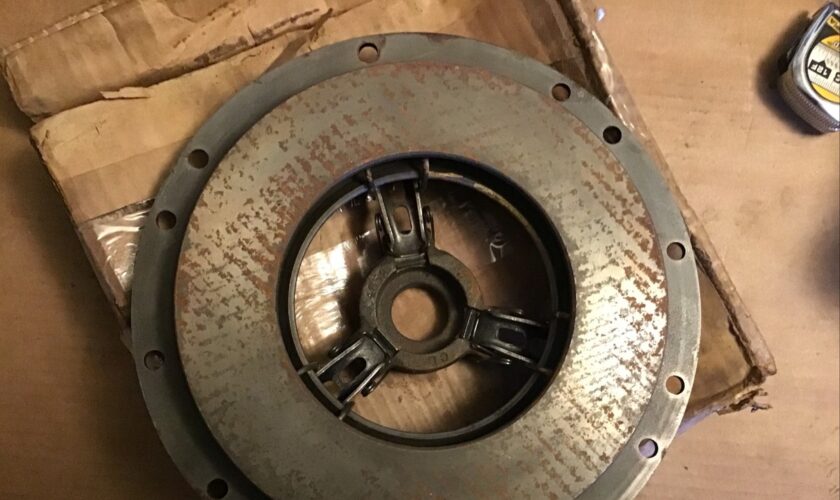
Rockford power take off clutch parts are engineered to handle the unique demands of power transfer systems. They include clutch assemblies, friction plates, pressure plates, and related components that ensure smooth and efficient engagement. Each part is designed with precision to withstand high torque, heat, and repetitive cycles, which are common in heavy-duty operations. Using genuine Rockford components guarantees compatibility and optimal performance, reducing the risk of mechanical failure.

Beyond durability, these parts offer consistent operation under varying conditions. Whether the vehicle is operating in extreme temperatures, carrying heavy loads, or performing repetitive tasks, high-quality clutch parts maintain reliable engagement and disengagement. Understanding the role of each component allows vehicle owners to make informed decisions when upgrading, ensuring that every replacement contributes to system efficiency.

Benefits of Upgrading to High-Quality Parts

Upgrading to premium Rockford power take off clutch parts delivers numerous benefits. First and foremost, these parts enhance the longevity of the vehicle’s power take off system. Low-quality or worn components can lead to uneven wear, heat buildup, and eventual system failure. High-quality parts minimize friction irregularities, provide smoother engagement, and reduce strain on surrounding components, extending the overall life of the machinery.

Operational efficiency is another significant advantage. Vehicles equipped with reliable clutch parts experience fewer interruptions due to malfunctions or adjustments. Maintenance requirements are reduced, which can result in cost savings over time. Additionally, high-quality Rockford parts improve performance consistency, ensuring that power delivery remains steady and predictable. This is particularly important for vehicles that operate under heavy loads or in demanding environments, where reliability can directly impact productivity and safety.

Installation and Maintenance Considerations

Proper installation is crucial when upgrading Rockford power take off clutch parts. Even the highest-quality components can fail if not installed correctly. It is recommended to follow manufacturer guidelines and, when necessary, consult professional technicians experienced in power take off systems. Careful alignment, correct torque settings, and proper lubrication are all essential steps to ensure optimal performance and prevent premature wear.

Routine maintenance complements the benefits of upgraded parts. Regular inspection for signs of wear, proper adjustment of clutch engagement, and timely replacement of friction elements all contribute to the system’s longevity. Vehicle owners who invest in high-quality Rockford power take off clutch parts should pair that investment with consistent maintenance practices, guaranteeing that the system remains efficient and dependable.

Maximizing Vehicle Performance and Reliability

The ultimate goal of upgrading with high-quality Rockford power take off clutch parts is to maximize vehicle performance and reliability. Reliable clutch components allow the vehicle to handle increased workloads without compromising safety or efficiency. Operators experience smoother power engagement, improved responsiveness, and a reduction in unexpected breakdowns.

By investing in quality parts, vehicle owners not only protect their current equipment but also enhance the overall value of their machinery. Upgraded components provide peace of mind, knowing that critical systems are supported by precision-engineered parts designed to perform under demanding conditions. This proactive approach to vehicle maintenance ensures that operations run smoothly and that the vehicle remains a dependable asset for years to come.

read more
Automotive

Bondi Beach Declutter, How To Sell A Scrap Car For Cash Without The Hassle

Bondi life moves fast. Parking is tight, strata rules are strict, and an unused car can turn from a convenience into a cost. If you are juggling beach days, work, and a small garage, the simplest win is converting that end of life vehicle into money and reclaimed space.

If you want an easy, local path, you can sell a scrap car for cash in Bondi Beach with a buyer that offers instant quotes, free towing, and clear documentation so the process is quick and compliant.

What “scrap” really means in Bondi

Scrap is more than a shell with no engine. Reputable buyers purchase a wide spectrum of vehicles.

  • Non runners and mechanically failed cars

  • Accident damaged or hail damaged vehicles

  • High kilometre daily drivers that are no longer economical

  • Unregistered cars or those near rego expiry

  • Vans, utes, and 4x4s that are worth more in parts than in repairs

The offer you receive reflects parts demand, metal weight, and logistics. Complete cars generally attract stronger quotes because they reduce handling time and increase salvage value.

How offers are calculated

Transparent quotes rely on information you can provide in minutes.

  • Make, model, year, and odometer

  • Engine and transmission, petrol or diesel, manual or automatic

  • Running status, leaks, noises, or missing parts

  • Body and interior condition, airbags deployed, glass intact

  • Exact pickup location and access details

Easy ways to lift your payout

  • Send daylight photos from all angles, plus the dash and engine bay if safe

  • Mention valuable extras, tow bar, racks, bull bar, near new tyres, spare wheels

  • Confirm if the catalytic converter is intact, it affects the metal value

  • Have both keys and remotes ready, including any wheel lock key

Paperwork that keeps things clean

Bondi residents value tidy processes. Keep the handover simple with a short list.

  • Photo ID for the seller at pickup

  • Proof of ownership that ties you to the vehicle

  • Number plates removed if you plan to cancel rego

  • Any finance interest cleared or written confirmation on settlement

  • Personal items cleared from boot, glove box, and door pockets

Quality buyers bring a purchase receipt, process payment as agreed, and leave the site neat.

Pickup in Bondi, how access works

Tight streets and busy lanes are normal near the beach. Good operators are used to it. Standard tilt trays can collect from underground car parks, narrow streets, and shared driveways with some preparation.

  • Reserve a space or guide the truck to the nearest safe spot

  • Park nose out for a straight winch if the car rolls

  • Unlock steering and place the car in neutral where possible

  • Notify in advance if the car is stuck in park, has seized brakes, or is missing wheels so the right equipment arrives

The on-site process, step by step

  1. Driver arrives within the window and calls ahead

  2. Quick inspection to confirm details match the quote

  3. Identity and ownership check

  4. Paperwork signed and payment processed

  5. Vehicle loaded safely, driveway left clear and tidy

Recycling that respects the coast

Responsible car removal protects the local environment and supports a circular economy.

  • All fluids are drained and recycled or disposed of safely

  • Batteries, tyres, and catalytic converters are processed to standard

  • Usable parts are tested and resold to keep other vehicles on the road

  • Remaining shells are compacted and sent to metal recovery

This keeps contaminants out of waterways and reduces demand for new resource extraction.

Common Bondi scenarios and what to do

Parking stress and strata notices
Avoid fines and letters. Book an early morning pickup before the street fills.

Moving out or changing lifestyles
If you are swapping the car for public transport and rideshare, sell first so you are not paying for storage.

Accident write off
Once your insurer releases the vehicle, sell promptly to stop towing and storage fees.

Inherited or unused family car
Gather the authority to sell and a simple set of documents. A quick pre-pickup call confirms what you need.

Price transparency, how to compare quotes

  • Ask if towing is included

  • Request that any deductions are itemised, for example missing cat or wheels

  • Confirm payment method and timing

  • Check for weekend or after hours surcharges before you book

Red flags to skip

  • Vague phone offers with no questions about condition

  • Upfront fees or unusual links to collect payment

  • Pressure to hand over the car before funds clear

  • No receipt or refusal to provide buyer details

Quick prep checklist you can copy

Before you request quotes

  • Note year, make, model, trim, and odometer

  • Photograph the car outdoors in daylight

  • Record the exact pickup address and access notes

When you accept an offer

  • Confirm pickup window and payment method

  • Prepare ID and ownership proof

  • Decide on rego cancellation and remove plates if required

On the day

  • Remove personal data from infotainment and sat nav

  • Empty boot, glove box, and door pockets

  • Keep keys, remotes, and wheel lock key ready

  • Clear access for the tilt tray and keep pets inside

  • Review and retain your receipt after payment

Payment options and records

Choose a method that suits you and local regulations. Many sellers prefer instant transfer for a clean digital trail. Keep the receipt, buyer details, and any related emails or texts. If you cancel registration, lodge the paperwork quickly to stop fees.

Bondi specific tips that save time

  • Early morning or late evening pickups can be easier for access

  • If your car is in an underground car park, measure height clearance and share it during booking

  • If street parking is tight, coordinate with a neighbour to hold a space for the truck

  • Notify building managers when pickups occur in shared driveways

Frequently asked questions

Do I need a roadworthy
No. Cash for cars buyers purchase vehicles as is. Roadworthy certificates are not required for dismantlers.

Can you collect from underground parking
Often yes with prior notice. Share height limits, turns, and any security requirements.

What if I do not have keys
Purchases are still possible with proof of ownership. Tell the buyer so they bring the correct gear.

Will I get more if I drive the car in
Sometimes. Removing towing from the cost can improve the offer. Ask for both drive in and pickup quotes if the car is safe and legal to drive.

How long does pickup take
The on-site process typically takes 15 to 30 minutes once the truck arrives. Same day pickup is common depending on schedule and traffic.

Do you buy utes and 4x4s
Yes. These often carry strong parts and weight value, which can improve payouts.

A scrap car should not cost you time, space, or stress. Share clear details, secure a transparent quote, and book a pickup slot that fits your day. With the right Bondi Beach partner, you will turn a parking problem into cash and enjoy a clearer driveway before your next swim or coffee run.

read more
Automotive

How financing options can influence your next van purchase

Acquiring a new van is a major step for any business, whether you are a sole trader or managing a small fleet. The vehicle itself is only part of the equation. The method you choose to pay for it can have a lasting impact on your company’s financial health, shaping everything from monthly outgoings to your long-term business strategy.

Deciding on the right finance agreement is just as important as picking a van with the right load space or fuel efficiency. Different funding paths offer distinct advantages, and the best one for you will depend on your specific operational needs and financial circumstances. Understanding these choices is fundamental to making a smart investment.

Exploring the main types of van finance

Several finance products are available, each with its own structure. Knowing how they work is the first step towards choosing the right one.

Hire Purchase (HP) is a straightforward route to ownership. You typically pay an initial deposit, followed by fixed monthly payments over an agreed term. At the end of the contract, after all payments are made, the van legally becomes yours. This option is often favoured by those who want to own the vehicle as a long-term asset.

Leasing, also known as Contract Hire, works like a long-term rental. You pay a fixed monthly fee to use the van for a set period, and at the end of the term, you simply hand it back. This can be an attractive option for businesses that want predictable costs and the ability to upgrade to a new model every few years.

A Personal Contract Purchase (PCP) offers greater flexibility. It usually involves a deposit and a series of lower monthly payments because you are primarily covering the vehicle’s depreciation. At the end of the term, you have three choices: return the van, pay a final “balloon” payment to take ownership, or use any equity as a deposit for a new vehicle.

Another path is securing a business loan to buy the van outright. With this method, you own the vehicle from day one, and the loan is a separate agreement between you and a lender. This gives you complete freedom over the vehicle without restrictions on mileage or modifications.

How your finance choice shapes your van selection

The finance route you take can directly influence the age, model, and specification of the van you can afford. A leasing agreement might put a brand-new, high-spec vehicle within reach due to lower monthly payments, making it a good choice for companies where brand image is important. Newer vehicles also offer better fuel efficiency and modern safety features. European Commission policy page aligns with this point.

On the other hand, some finance types, like HP or a business loan, offer more freedom to purchase a used van. This can be a cost-effective solution, although some lenders may have limits on the age and mileage of the vehicle they are willing to finance. It is important to consider any restrictions before committing.

Usage is another consideration. Many leasing agreements include annual mileage limits, with charges for exceeding them. If your business involves long distances, a Hire Purchase agreement or buying with a loan might be more suitable, as these generally do not have mileage restrictions.

The impact on your business finances

Each finance option affects your business’s cash flow and balance sheet differently. Leasing and PCP plans often require a smaller initial outlay and have lower monthly payments, which can help preserve your working capital for other areas of the business. Fixed monthly payments also make budgeting more predictable.

When you use Hire Purchase or buy a van with a loan, the vehicle is recorded as an asset on your company’s balance sheet. This has implications for your accounting and tax calculations. With leasing, the van is not a company asset, and the monthly payments are typically treated as an operating expense.

It is important to look at the total cost over the full term of any agreement. The option with the lowest monthly payment might not be the cheapest overall once you factor in the deposit, final balloon payments, and any potential excess mileage or damage charges.

A scenario for a tradesperson

Imagine a self-employed electrician whose old van has become unreliable. They need a dependable vehicle to get to jobs and transport tools securely. Their business is established, and they have a steady income, but cash flow is still a primary concern.

One option is to lease a new, medium-sized van. This would give them a reliable and professional-looking vehicle with low monthly payments and no surprise maintenance costs, as servicing can be included. However, the mileage limit could be a concern if they start taking jobs further afield.

Alternatively, they could use a Hire Purchase agreement to buy a nearly-new van. The monthly payments would be higher than leasing, but there would be no mileage cap. At the end of the term, the van would be theirs, providing a valuable asset they could continue to use for years or sell on.

Making an informed decision

Choosing how to pay for your next van is a significant business decision. It is about more than just the monthly cost. It is about finding a solution that aligns with your operational needs, financial strategy, and long-term goals.

Carefully weigh the pros and cons of each option. Consider how long you intend to use the van, your expected mileage, and whether owning the vehicle outright is a priority for your business. Exploring different van financing options will help you find a path that provides both the vehicle you need and the financial stability to support your business’s growth.

read more
Auto

The Hidden Economics of Vehicle Care: How Wheel Alignment Singapore Price Affects Event Industry Logistics

Understanding wheel alignment Singapore price is crucial for event organisers who rely on vehicles for equipment transport, staff mobility, and vendor coordination across this densely populated city-state. In a country where 68% of residents don’t own cars yet 996,000 motor vehicles navigate crowded streets daily, the economics of automotive maintenance reveal deeper stories about urban inequality and professional survival.

Event management in Singapore operates within a complex web of logistical dependencies where seemingly minor automotive issues can cascade into major operational failures. The city-state’s unique combination of extreme population density, strict vehicle regulations, and demanding event schedules creates an environment where proper vehicle maintenance isn’t merely advisable—it’s essential for business survival. This reality becomes particularly acute for event professionals who often operate on razor-thin margins whilst managing multiple simultaneous projects across the island.

Industry Impact and Fleet Management Realities

For event companies managing multiple vehicles, the cumulative effect of alignment issues creates operational nightmares. A single misaligned vehicle can consume 15-20% more fuel, whilst uneven tyre wear patterns reduce replacement intervals from 40,000 kilometres to as little as 25,000 kilometres. These seemingly modest inefficiencies compound across fleets, creating hidden costs that often exceed monthly insurance premiums.

Fleet Size Impact on Annual Costs:

  • Single vehicle operations: $200-400 annual alignment expenses
  • Small fleets (3-5 vehicles): $800-1,500 maintenance budgets required
  • Medium operations (6-15 vehicles): $2,000-4,000 annual allocations
  • Large event companies (15+ vehicles): $5,000-10,000+ maintenance reserves

Singapore’s Certificate of Entitlement (COE) system means replacement vehicles cost significantly more than maintenance, making preventive care economically essential. Event organisers who understand this mathematics gain competitive advantages through more accurate project costing and reliable service delivery.

The Real Cost of Keeping Wheels Aligned

As of 2023, the average cost of a wheel alignment in Singapore typically costs anywhere from SGD 50 for a two-wheel alignment to SGD 150 or more for a full four-wheel alignment, depending on the provider. However, these base prices represent only the foundation of total ownership costs.

Current Pricing Structure:

  • Basic front-end alignment: $50-$70 (suitable for small delivery vehicles)
  • Four-wheel computerised alignment: $80-$120 (recommended for larger event trucks)
  • Premium service with diagnostics: $120-$150 (luxury vehicles and specialised equipment transporters)
  • Emergency after-hours service: $150-$200+ (when equipment must reach venues urgently)

The disparity in vehicle alignment pricing Singapore workshops offer reflects broader economic inequalities. Established businesses can afford preventive maintenance, whilst smaller event companies often defer expenses until mechanical problems force costly emergency repairs.

The Hidden Infrastructure of Event Success

Singapore’s 996,000 motor vehicles operate within roads that occupy 12% of our land area. This density creates unique pressures on vehicle maintenance:

  • Stop-and-go traffic: Constant acceleration and braking stress suspension systems
  • Sharp venue turns: Tight spaces accelerate wheel misalignment
  • Heavy equipment loads: Event transport demands increase mechanical wear
  • Time pressures: Rushed driving conditions exacerbate maintenance issues

Consider the mathematics: whilst a wheel balancing and alignment Singapore service costs $80-100, premature tyre replacement can exceed $400-600 per vehicle. For event companies operating modest fleets, this difference determines annual profitability.

Geographic and Technological Divides

Price Variations by Location:

  • Central Business District workshops: $100-$150 (convenience premium)
  • Industrial estate specialists: $50-$80 (competitive pricing)
  • Neighbourhood workshops: $60-$100 (moderate pricing)
  • 24-hour emergency services: $150-$250 (crisis pricing)

Technology Options:

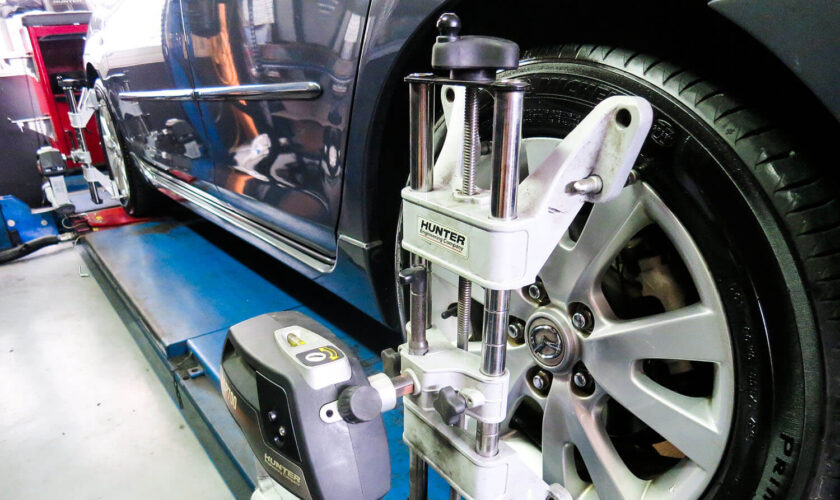
  • Hunter Hawkeye systems: Detailed diagnostics, 20-30% premium
  • Basic alignment equipment: Budget-friendly routine maintenance
  • Mobile alignment services: On-site convenience at premium rates
  • Package deals: Combined services for better value

Seasonal Economics and Worker Safety

Seasonal Pricing Fluctuations:

  • Peak season(September-December): 15-25% price increases
  • Chinese New Year: Limited availability, premium pricing
  • Regular season(March-August): Competitive pricing
  • Economic downturns: Aggressive discounting

Professional Vulnerability and Economic Dependencies

The event industry’s reliance on vehicle-dependent logistics creates unique vulnerabilities that extend beyond simple transportation costs. Event professionals—many operating as freelancers or small business owners—find themselves caught between client expectations for flawless execution and the unpredictable nature of automotive maintenance needs. This tension becomes particularly pronounced during Singapore’s peak event periods when vehicle availability and workshop capacity become critical constraints.

Insurance implications further complicate the maintenance equation. Singapore’s stringent liability requirements mean that poorly maintained vehicles can void coverage, leaving event organisers personally exposed to significant financial risks. Comprehensive maintenance records become essential documentation, not merely for operational efficiency but for legal protection in an increasingly litigious business environment.

Strategic Cost Management

Maintenance Scheduling:

  • Every 10,000 kilometres: Basic alignment checks
  • After impacts: Immediate pothole/kerb strike inspection
  • Seasonal preparations: Pre-event comprehensive maintenance
  • Package integration: Volume discounts through combined services

Vendor Relationships:

  • Annual contracts: Predictable fleet maintenance pricing
  • Emergency agreements: Guaranteed after-hours availability
  • Extended payment terms: Cash flow management support
  • Quality metrics: Performance standards protecting workers

Future Considerations

Singapore’s electric vehicle transition by 2040 affects maintenance strategies. Currently, 79% own conventional cars versus 5% electric, but this shift will create new cost structures and dependencies.

Emerging Trends:

  • Predictive maintenance: IoT early warning systems
  • Mobile services: Equipment brought to client locations
  • Integrated fleet management: Comprehensive care packages
  • Sustainable practices: Environmentally conscious maintenance

Conclusion: Beyond the Workshop Floor

The conversation about auto alignment service Singapore ultimately reflects deeper questions about economic fairness. Event organisers calculating maintenance budgets participate in Singapore’s broader economic ecosystem—one that rewards foresight and punishes desperation.

For event professionals committed to business success and ethical practice, comprehensive vehicle maintenance strategies represent investments in worker safety, operational reliability, and long-term sustainability. In Singapore’s competitive market, such attention often distinguishes thriving businesses from those merely surviving, making informed decisions about wheel alignment Singapore price a crucial component of responsible event management.

read more
1 2 3 10
Page 1 of 10